Avail the best Cyber Security and Auditing Services,
Cyber Security, HIPAA Compliance, SOC 2 Compliance, GDPR, ISO 27001, ISO 9001 Audits
and certification needs, tailored to meet your specific needs.
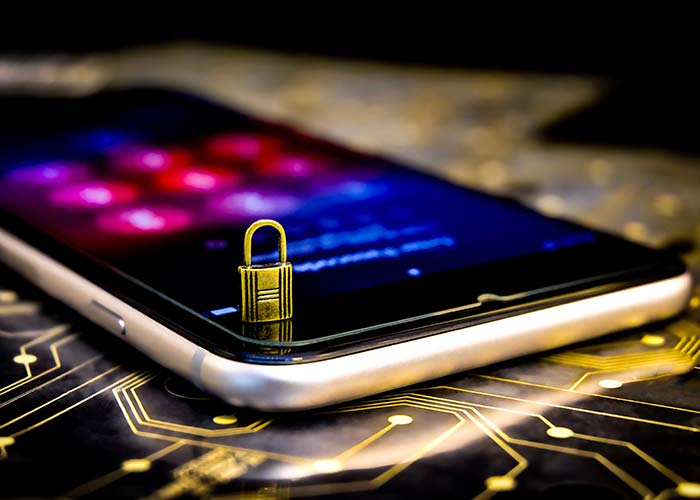



In this tech- savvy world where frauds, phishing and scams are at its peak, Cyber Cops intend to be your tech-partners as well as adamant guides to help you maintain a shield of security & the best audit for your venture. Our team of professionals offer compliance consultation and training, and help you easily secure the information provided by clients and secure the future of your business as well.
Our information security professionals have hands-on experience in information security, compliance consulting and Audits. We skillfully adapt different industry practices and provide needful solutions to specific challenges. Beyond theoretical sessions, we address practical challenges that help clients to expand their horizons. We look beyond the traditional approaches to understand threats and analyze worst-case-scenario simulations and provide technical as well as logical solutions, along with an in-depth study/insight to explore new areas for value addition and embark on new opportunities.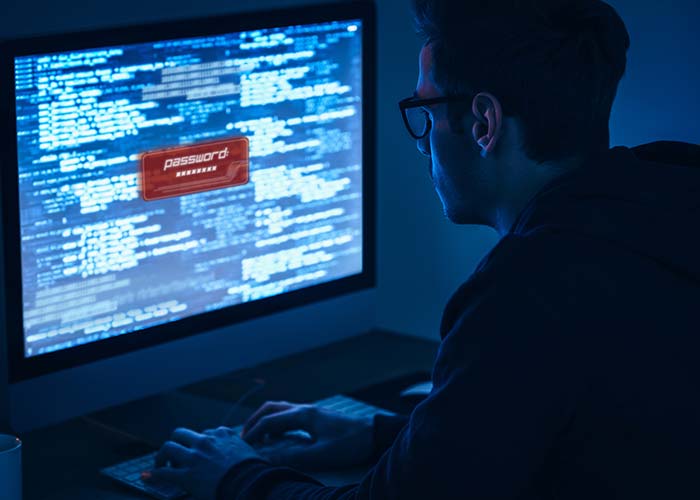
We provide a review of encryption use, data security during transmission and storage, and network access control
We help you analyze and get hold in having comprehensive review of policies, procedures, and security control
.jpg)
We help you manage the review of network and security control, SOC, anti-virus configurations, security monitoring capabilities



When it comes to selecting a Cyber Security and Audit Company, making the right choice is paramount to ensure the triumph of your venture’s safety. Below are the grounds that justify why our company should be your preferred choice: